Have you ever received a text that says, “Hey mija, how are you?” and wondered what “mija” means?
If you are not familiar with Spanish, the word can look like random slang. You may see it in WhatsApp messages, Instagram comments, Snapchat chats, or everyday conversations.
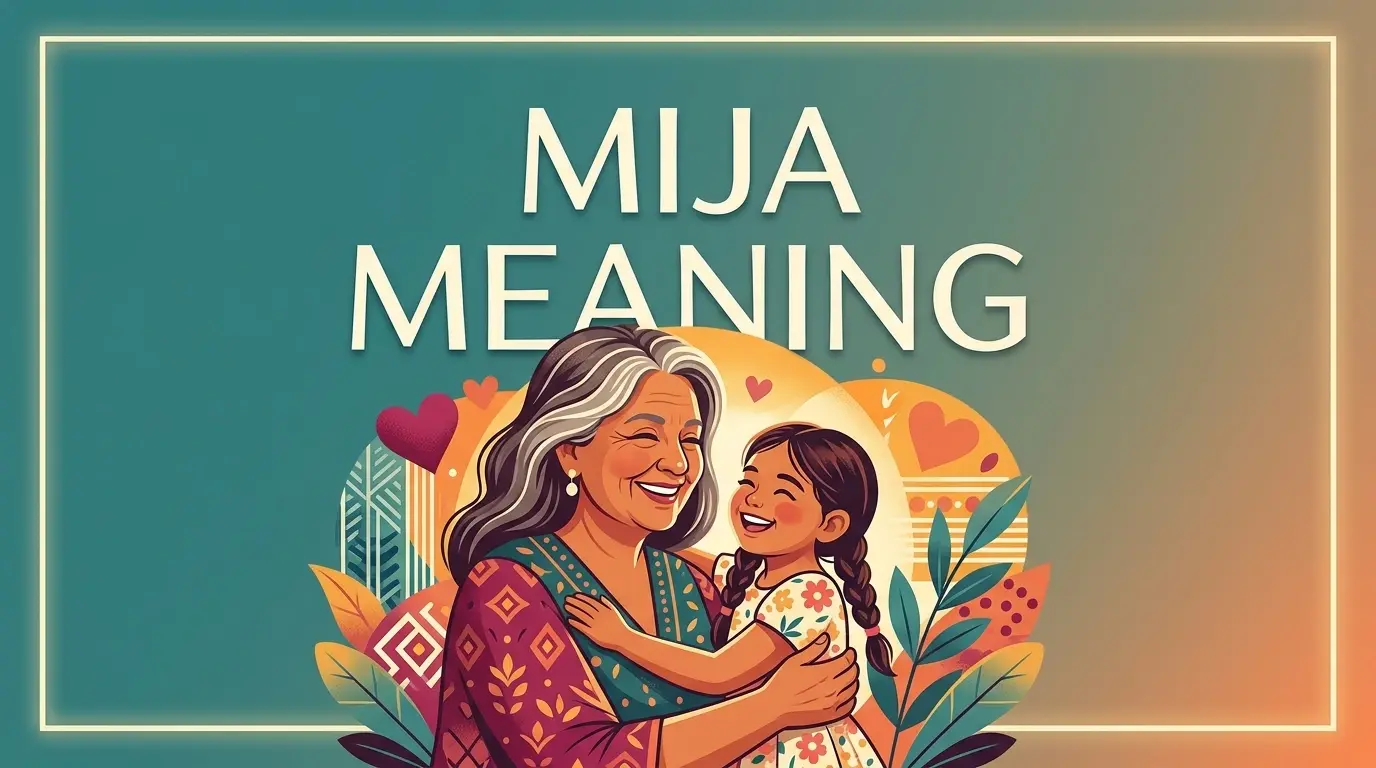
The word mija is actually a Spanish term with a warm and friendly meaning. It literally means “my daughter,” but people often use it more casually to mean “dear,” “sweetie,” “girl,” or “honey.”
The exact feeling depends on who says it, who receives it, and the situation. In this guide, we will explain the mija meaning in text, its full form, examples, tone, and how to reply.
What Does “Mija” Mean in Text?
In text messages, mija usually means “dear,” “sweetie,” “girl,” or “my daughter.”
It comes from the Spanish phrase mi hija, which literally means “my daughter.” In casual Spanish, the two words are commonly shortened into mija.
For example:
“Hey mija, are you okay?”
This could mean:
“Hey dear, are you okay?”
It does not always mean the person is literally the speaker’s daughter. It can also show affection, care, or familiarity.
Full Form of “Mija”
Mija does not have an English full form like many texting abbreviations.
It comes from:
Mi + hija = mija
- Mi = my
- Hija = daughter
- Mija = my daughter / dear / sweetie
The masculine form is mijo, which comes from mi hijo, meaning “my son.”
So, mija is not an acronym. It is a shortened Spanish expression.
How Is “Mija” Used in Chat?
People can use mija in friendly, caring, or affectionate conversations.
Example 1: Between Friends
Sara: I finally passed my exam!
Maria: Yay, mija! I knew you could do it! ❤️
Here, mija has a warm and friendly feeling.
Example 2: Showing Care
Mom: Mija, did you eat lunch?
Daughter: Not yet. I will eat soon.
Here, mija means something like “my dear” or “my daughter.”
Example 3: Giving Advice
A: I don’t know what to do.
B: Mija, take a breath. Everything will be okay.
Here, the word adds a caring and comforting tone.
Spanish speakers can also use mija with friends, younger women, or romantic partners, depending on the relationship and context.
What Does “Mija” Mean From a Girl?
When a girl calls another girl mija, it is often friendly and familiar.
It may mean:
- Girl
- Dear
- Sweetie
- Honey
- My girl
- Friend
For example:
“Mija, you look amazing today!”
This usually sounds warm and positive.
However, context matters. If the speaker uses it during an argument, the same word may sound sarcastic or annoyed.
What Does “Mija” Mean From a Boy?
When a boy or man calls a girl mija, the meaning can vary.
It may be:
- Friendly
- Caring
- Affectionate
- Playful
- Flirty
- Casual
For example:
“Good morning, mija 😊”
Depending on the relationship, this could simply mean “Good morning, dear” or “Good morning, sweetie.”
If a romantic partner uses it, it can have an affectionate or flirty feeling. But you should not assume that mija always means flirting. The relationship and the rest of the conversation matter.
Is “Mija” Rude or Polite?
Mija is usually informal and affectionate, not rude. It is common in casual Spanish speech and can express closeness or warmth.
But the tone can change its meaning.
For example:
“Mija, don’t worry. Everything is fine.”
This sounds caring.
But:
“Mija, do you even know what you’re doing?”
This could sound patronizing, sarcastic, or dismissive.
Some people may dislike being called mija, especially when it comes from someone they do not know well. Dictionary.com notes that some young women may find the term belittling or condescending in certain situations.
So, it is best to consider the relationship and context.
When Should You Use “Mija”?
Use mija mainly in relaxed and familiar situations.
- When talking with Spanish-speaking friends
- With close female friends
- With family members
- When speaking affectionately to a daughter
- In casual social media comments
- In friendly text messages
- When you know the other person is comfortable with the word
- In informal conversations
If you are learning Spanish, listening to how native speakers use the word can help you understand its tone.
When Should You NOT Use “Mija”?
Avoid using mija when the situation is formal or when you are unsure whether the person likes informal terms.
- Formal business emails
- Job interviews
- Professional messages
- Official documents
- Formal customer communication
- Serious workplace discussions
- With someone you do not know well
- When the person has asked you not to use nicknames
- When the word could sound disrespectful
A simple “Hello” or the person’s name is often safer in a formal situation.
Best Replies to “Mija”
If someone calls you mija, your reply depends on the conversation.
Here are five simple replies:
- “Hey! How are you?”
- “Hi! What’s up?”
- “Hey dear 😊”
- “I’m good! How about you?”
- “Haha, hey mija!”
If someone uses mija in a caring way, you can simply respond naturally. You do not need to use the same word back.
“Mija” Meaning on WhatsApp, Instagram, and Snapchat
The basic meaning of mija stays the same on different platforms.
Mija on WhatsApp
On WhatsApp, it may appear in private chats or family groups.
“Mija, call me when you get home.”
Here, it shows care or affection.
Mija on Instagram
On Instagram, someone may use it in a comment or DM.
“Mija, you look beautiful! ❤️”
Here, it can mean “girl,” “dear,” or “sweetie.”
Mija on Snapchat
On Snapchat, it can appear in quick, casual messages.
“What are you doing, mija?”
This normally sounds friendly and informal.
The platform does not change the basic meaning. The relationship and context are more important than the app.
Similar Slang Words Like “Mija”
Here are five related words and expressions:
1. Mijo
Mijo is the masculine counterpart of mija. It comes from mi hijo, meaning “my son.”
2. Mijita
Mijita is a more affectionate form of mija and can mean something like “dear girl” or “sweetie.”
3. Hija
Hija literally means “daughter” in Spanish.
4. Honey
Honey is a common English term of affection. It can have a similar friendly or loving feeling.
5. Sweetie
Sweetie is an informal English word used to show affection or warmth.
FAQs
Is “Mija” positive or negative?
Usually, mija is positive or affectionate. It can show warmth, care, or familiarity. However, tone and context can make it sound sarcastic or patronizing.
Is “Mija” safe to use with elders?
It depends on the person and culture. Since mija is informal, it is better to use it only when you know the person is comfortable with casual Spanish terms.
Is “Mija” common in daily chat?
Yes. Mija is used in casual Spanish conversations and can appear in text messages and social media. It is especially associated with Mexican Spanish and is also used in other Latin American communities.
Does “Mija” mean “my daughter”?
Yes. Its literal meaning comes from mi hija, or “my daughter.” But in everyday use, it can also mean “dear,” “sweetie,” “girl,” or “honey.”
Is “Mija” a romantic word?
Not always. It can be used between family members, friends, and romantic partners. Context is needed to know whether it is romantic.
Is “Mija” an acronym?
No. Mija is not an acronym or English abbreviation. It is a Spanish contraction of mi hija.
What is the male version of “Mija”?
The male version is mijo, from mi hijo, meaning “my son.” It can also be used as a friendly term like “dear,” “buddy,” or “sweetie.”
How do you pronounce “Mija”?
It is commonly pronounced roughly “MEE-ha.” The Spanish j has an h-like sound, not the English “j” sound.
Conclusion:
The mija meaning in text is usually “dear,” “sweetie,” “girl,” or “my daughter.” It comes from the Spanish phrase mi hija.
While its literal meaning is “my daughter,” people often use it as a warm and informal term of affection.
You may see mija on WhatsApp, Instagram, Snapchat, and other social platforms. It can sound caring, friendly, playful, or affectionate. In some situations, it may also sound patronizing, so context matters.
Now you can easily understand mija when you see it in a text or social media post. For more useful slang meanings, explore other common texting and social media terms.